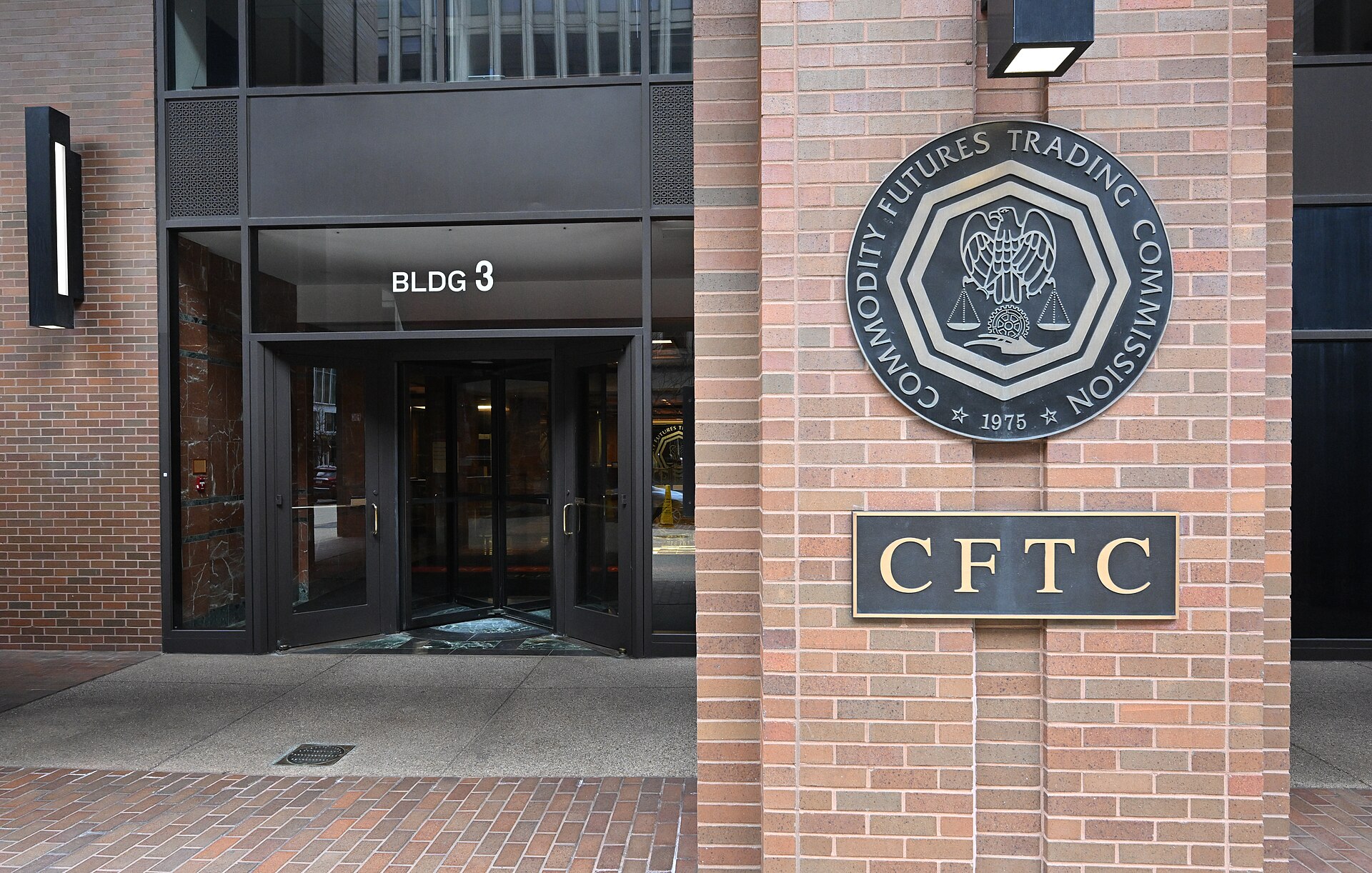
The Commodity Futures Trading Commission issued a request for public comment on June 22, 2026 on extending standard futures contracts to 24/7 trading, and on perpetual contracts that reference physically delivered or storable energy commodities such as crude oil. Nothing changes for traders on the day of the request. Comments are due within 30 days of the request’s publication in the Federal Register.
What the CFTC asked
The request puts two questions to the public. The first is whether standard futures contracts should trade around the clock, every day of the week. The second concerns perpetual contracts on energy commodities that are physically delivered or storable, with crude oil given as an example.
Among the questions the Commission raises are whether prices formed overnight, on weekends and on holidays are reliable and resistant to manipulation, according to the request as published in the Federal Register.
Where perpetual contracts came in
Perpetual contracts are not new to the CFTC’s docket. On May 29, 2026 the Commission permitted a designated contract market to list a perpetual contract referencing the spot price of bitcoin. The June request carries the same contract type into physically delivered and storable energy commodities, where the underlying barrel has to be stored and delivered rather than settled against a spot index.
What it means for prop firm traders
For a trader on an evaluation or a funded account, which is a paid service in which the trading itself is simulated, the request changes nothing. Weekend holding rules, overnight holding rules and session cutoffs are set by each firm, not by the CFTC. What the Commission is asking about is the underlying market calendar those rules were written around. Weekend trading in listed futures is today limited to a narrow set of contracts, and the question on the table is whether standard contracts, crude oil included, should join them.
If that ever happened, a rule phrased as “no positions held over the weekend” would meet a market that no longer closes on Friday afternoon. That is a conditional, and the CFTC has not proposed any rule text.
What has not changed
A request for comment collects answers. It does not amend a contract’s trading hours, does not bind any exchange, and does not set a date for a rule. Exchange session hours and holiday calendars stand as they were before June 22.
What traders should check
Anyone who wants to respond should watch for the notice in the Federal Register, since the 30-day clock runs from publication rather than from the June 22 announcement. For day-to-day trading, the documents that matter remain your firm’s own rule page and the session calendar of the contracts you trade.