The CFTC will hold a public roundtable on 24/7 trading of derivatives on December 15, 2026, at its Washington, DC headquarters, from 1 to 4 p.m. Eastern. It was announced on October 28 and the agenda followed on November 17. The event is a discussion. It changes no rule and no trading hours, so futures prop firm accounts keep trading CME’s usual sessions.
What the CFTC announced
| Item | Detail |
|---|---|
| Date and time | December 15, 2026, 1 to 4 p.m. EST |
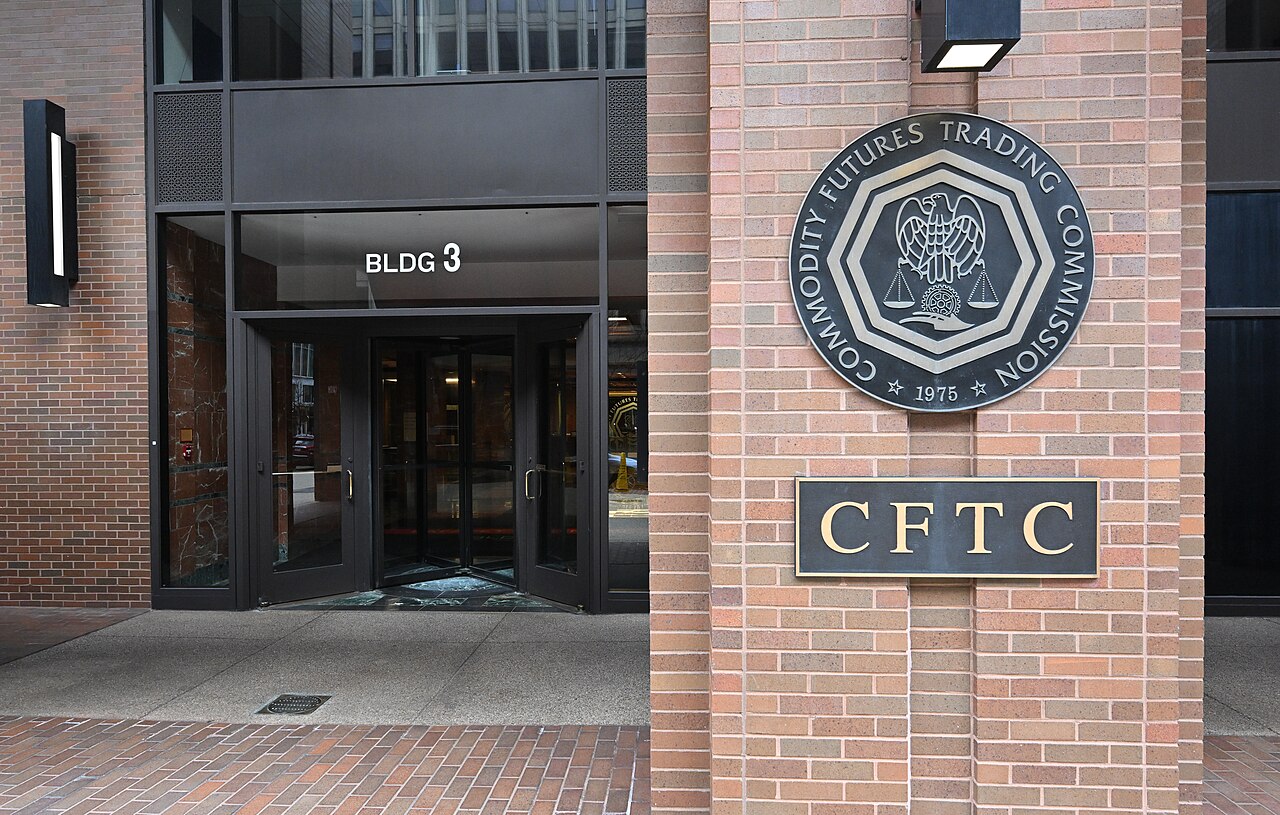
| Place | CFTC headquarters, Three Lafayette Centre, 1155 21st St. NW, Washington, DC |
| Access | Open to the public, livestreamed on CFTC.gov; in-person seats may be limited and visitors go through security checks |
| Topics named | Overnight and weekend trading, tokenization, margin, infrastructure and staffing needs, operational readiness |
| First announced | October 28, 2026 (press release 9318-26) |
| Agenda released | November 17, 2026 (press release 9327-26) |
The October 28 release says the roundtable builds on the request for comment the agency issued in summer 2026, and quotes Chairman Selig: “under my leadership, the CFTC will not take a one-size-fits-all approach to 24/7 trading.” The public could nominate speakers by email at the time of the first announcement.
What it does not change
A roundtable produces no order. Nothing in either release sets a date for round-the-clock trading of CME’s index, energy or metals futures, and nothing alters margin or settlement rules. CME’s regular futures sessions, with the daily maintenance break and the weekend close, still apply. The only products that already trade around the clock are the crypto futures and options and the 1-ounce gold contract, both covered on this site.
Why a prop trader may care
Overnight and weekend trading is the topic that would touch evaluation rules most. Today many firms require flat positions before the CME close or before the weekend, and they measure daily loss limits over a fixed trading day. If a 24/7 market ever applied to the contracts these accounts trade, firms would have to redefine the trading day, the close-out time and weekend holding. That is a possibility the CFTC is discussing, not a decision.