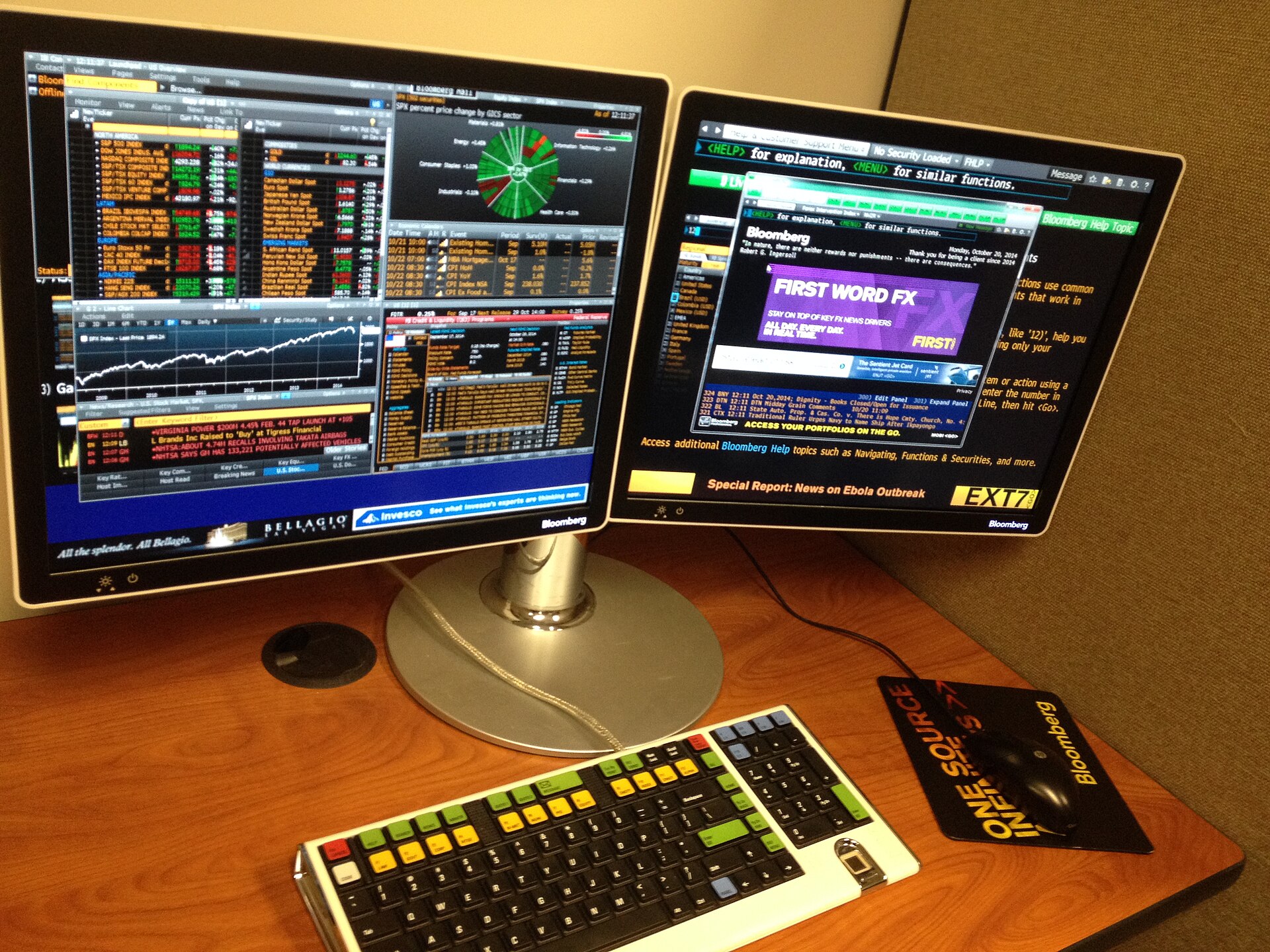
CME Group said on Monday that its cryptocurrency futures and options now trade 24 hours a day, seven days a week, an expanded schedule that went live on Friday, May 29. Traders on prop firm evaluation and funded accounts can reach those hours only if their firm’s platform and risk rules allow it, and a weekend fill carries the next business day’s trade date.
What changed
The exchange announced the launch on June 1 and said more than 7,200 cryptocurrency futures and options contracts traded over the inaugural weekend, about $50 million in notional value. Bitcoin Volatility futures became available to trade 24/7 starting June 1.
All cryptocurrency futures and options trade 24/7 on Globex and ClearPort except Spot-Quoted futures, according to CME’s FAQ page. The same page lists the Globex maintenance windows: Monday through Friday from 4:00 p.m. to 4:02 p.m. CT (5:00 p.m. to 5:02 p.m. ET) and Saturday from 2:00 a.m. to 4:00 a.m. CT. Under the expanded schedule the Monday through Thursday pause is two minutes.
Weekend trade dates
Trading from Friday evening through Sunday evening, and on holidays, carries a trade date of the following business day, CME says. A Saturday fill therefore belongs to Monday’s trade date rather than to Saturday.
That detail matters for any prop firm rule that resets with the trading day. A daily loss limit, an end-of-day drawdown check or a consistency calculation depends on which day a trade is counted in, and the firm’s own definition of the trading day decides that. Read the rulebook rather than assuming the platform clock matches it.
What prop traders should check
An evaluation is a paid service traded in simulation, and the firm, not the exchange, decides which hours its platform routes orders and whether a position may be carried over a weekend. CME’s calendar change does not alter any firm’s rules by itself. Before trading the new hours, check three things with the firm: whether weekend and holiday holding is permitted at all, whether the platform stays connected outside regular sessions, and how the firm counts the trading day for drawdown and loss limits. None of this is trading advice.